Partnership for Impact: Tree Growing for Pads Drive | 3rd May 2025

A Transformative Collaboration at Larmudiac High School, Nakuru County

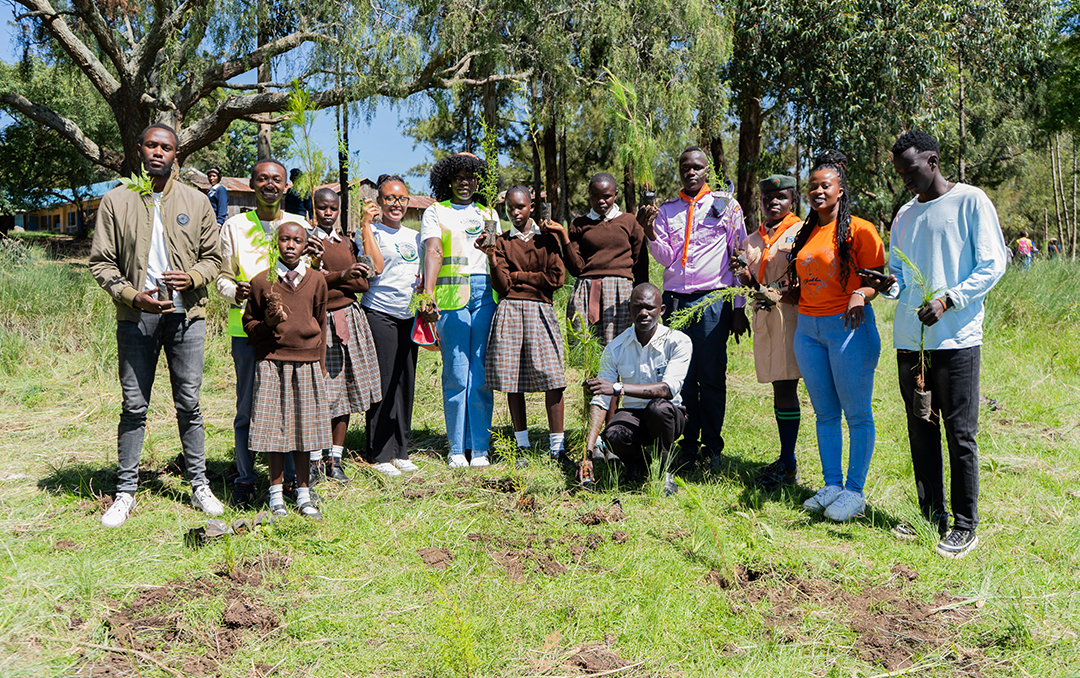
On 3rd May 2025, The Green Embassy Kenya (TGEK) led a high-impact, multi-stakeholder initiative at Larmudiac High School under the banner “Partnership for Impact: Tree Growing for Pads Drive.” This project exemplified how environmental sustainability and social equity can intersect meaningfully to drive lasting change in local communities.

In collaboration with the Kenya Forest Service, Nakuru County Government, WingFarm Organization, and the Gift With Love Foundation, we set out not only to plant trees—but to plant hope, restore dignity, and grow climate-aware leadership.

Environmental Education: Seeding Awareness First

The day began with a customized Environmental Education session by TGEK’s youth-led team. The aim was to ignite critical thinking and environmental consciousness among students by covering:

  • The ecological and socio-economic benefits of tree planting
  • The role of young people in ecosystem restoration
  • How school-based environmental stewardship fosters broader community resilience

Students were encouraged to see themselves not as passive beneficiaries, but as active stewards of their landscapes. Many expressed renewed commitments to participate in environmental clubs and champion climate action at school and home.

Tree Growing: 2,600 Seedlings with a Plan

Following the learning session, TGEK and partners facilitated the planting of 2,600 indigenous and exotic tree seedlings across the school compound. However, the focus was not merely on planting—but on growing:

  • The school administration pledged to oversee daily care of the seedlings.
  • A 12-month monitoring and evaluation plan was jointly developed to track survival, measure impact, and enhance accountability.
  • Students were given roles in watering, mulching, and protecting the young trees—turning the project into a living classroom.

This shift from symbolic planting to results-based restoration is central to TGEK’s long-term environmental strategy.

Menstrual Health & Gender Inclusion: Restoring Dignity

Alongside tree growing, our partners from the Gift With Love Foundation delivered Menstrual and Reproductive Health Education. This powerful session reached over 500 girls, each of whom received a dignity kit (sanitary pads) that ensures they can stay in school this month. Critically, boys were included in the conversation—helping dismantle stigma and cultivate allyship. They learned about menstruation, empathy, and their role in building supportive
learning environments for all. By integrating menstrual equity into environmental outreach, TGEK reinforces the principle that true sustainability must be gender-inclusive.

Partnership for Impact: A Blueprint for Scalable Change

This initiative exemplifies what can happen when grassroots leadership aligns with institutional support and civic will:

  • Environmental education rooted in action
  • Menstrual dignity linked to school retention
  • Youth participation that drives transformation from the ground up

At TGEK, we believe that restoring ecosystems and restoring dignity must go hand-in-hand. This is how we build communities that are not only greener—but more just, resilient, and inclusive.
Building Sustainable Communities for a Greener Future: TGEK’s Climate Action Initiative in Homa Bay County

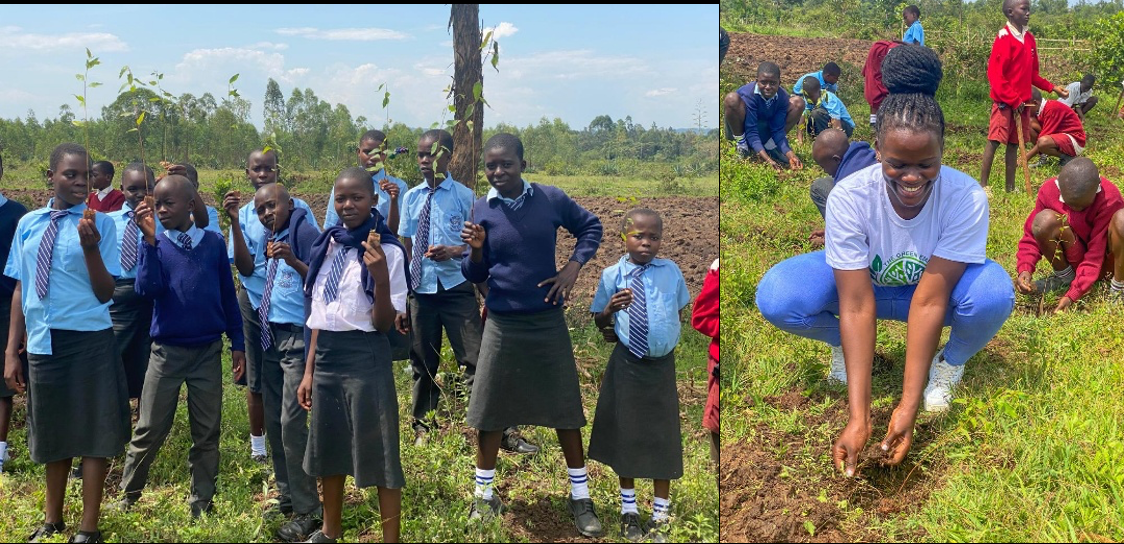
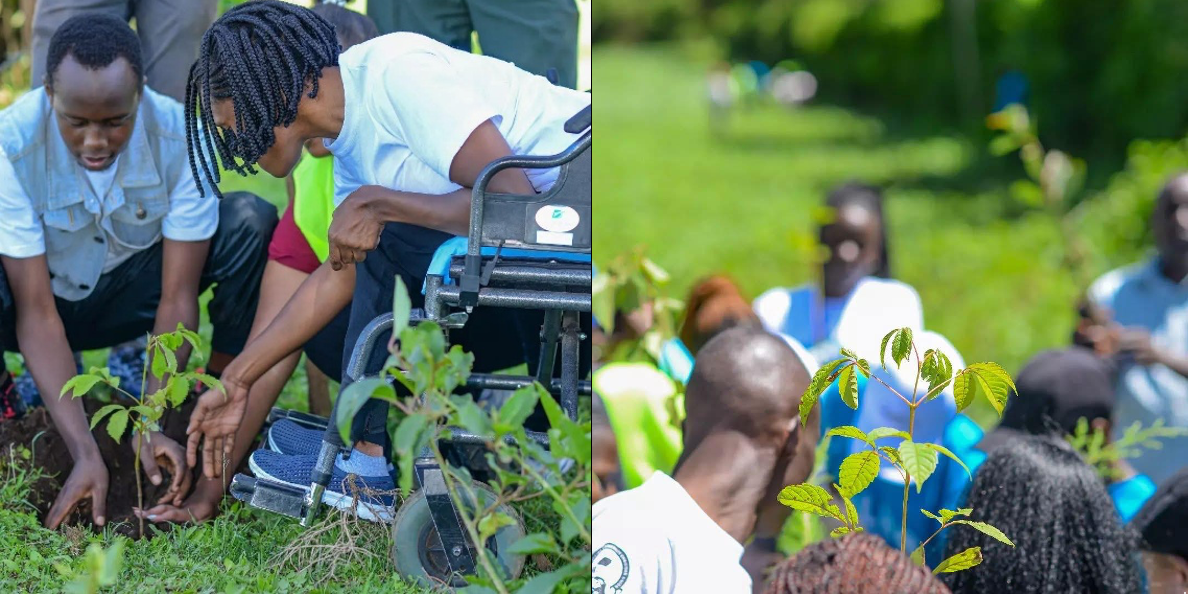
In September 2023, The Green Embassy Kenya (TGEK) implemented a transformative environmental project in Sino Kagola, Homa Bay County, under the theme Building Sustainable Communities for a Greener Future. Funded through a grant from Meridian International, this initiative aimed to promote climate resilience, sustainable agriculture, and ecosystem restoration.

Through a botanical garden creation, a climate resilience workshop, and seedling distribution to local farmers, the project provided practical solutions to mitigate climate change impacts while enhancing community-led conservation efforts.

Establishing a Botanical Garden at Masanga Primary School

One of the project's key components was the creation of a botanical garden at Masanga Primary School. This initiative served multiple purposes:

  • Providing a learning space where students could engage with nature and understand the importance of biodiversity.
  • Acting as a seed bank for future tree-growing initiatives in the community.
  • Enhancing the school’s environment by improving air quality, soil stability, and water retention.

This initiative empowered young learners with environmental knowledge while ensuring that the school remains a green and eco-friendly space.

Climate Resilience and Sustainable Agriculture Workshop

To address the climate-related challenges faced by farmers in Sino Kagola, TGEK hosted a workshop on climate-resilient agricultural practices. The session covered:

  • Sustainable farming techniques, including agroforestry and organic farming.
  • Water conservation methods to combat drought and erratic rainfall patterns.
  • Soil management strategies to improve productivity and prevent land degradation.

Farmers left the workshop equipped with practical skills to enhance their crop yields, conserve natural resources, and build long-term resilience against climate change.

Seedling Distribution to Local Farmers

As part of the restoration efforts, TGEK distributed tree seedlings to local farmers, encouraging them to integrate tree planting into their farming practices. These seedlings, consisting of indigenous and fruit-bearing species, will:

  • Enhance biodiversity and restore degraded land.
  • Provide shade and windbreaks to protect crops.
  • Offer additional sources of food and income through fruit production.

By ensuring that farmers actively participate in tree-growing initiatives, this activity contributed to the broader goal of building climate-smart communities that are less vulnerable to environmental shocks.

Impact and the Path Forward

This project reinforced the importance of community-driven environmental conservation. Through hands-on engagement, education, and resource distribution, TGEK empowered local communities to take charge of their environmental future.

Moving forward, TGEK aims to:

  • Expand the botanical garden project to more schools in Homa Bay County.
  • Strengthen partnerships with local farmers to promote sustainable agriculture.
  • Scale up tree planting initiatives to combat deforestation and climate change.

With continued collaboration and investment in climate action, communities in Sino Kagola and beyond can become more resilient, sustainable, and environmentally conscious. This project is just the beginning of a greener future for Homa Bay County.

Nurturing Sustainability: TGEK Community-Led Environmental Initiatives in Njoro, Nakuru County

Over the years, The Green Embassy Kenya (TGEK), in collaboration with local organizations, community-based groups, and clubs from Nakuru and Egerton University, has actively championed environmental conservation in Njoro, Nakuru County. Through tree planting, cleanups, advocacy, and environmental education, these projects have contributed to the restoration of ecosystems and the empowerment of local communities to take ownership of their environment.

  1. Environmental Education and Tree Planting in Schools (September 2021) Recognizing that sustainable change starts with young minds, TGEK engaged pupils in Njoro through an interactive environmental education program. The initiative provided children with knowledge on climate change, conservation, and the importance of trees in maintaining ecological balance. To reinforce this learning, the team planted over 200 tree seedlings within the school compound, ensuring a greener future for the institution and the surrounding community.
  2. Climate Strike and Advocacy with Fridays for Future In alignment with global climate movements, TGEK joined forces with Fridays for Future and local environmental advocates in Njoro to amplify the call for urgent climate action. The strike served as a platform for young people, students, and activists to voice concerns about deforestation, waste mismanagement, and inadequate climate policies. This action reinforced the growing need for climate justice and sustainable policy reforms in Kenya.
  3. Egerton University Inter-Club Tree Planting at the Botanical Gardens One of the most impactful projects was the large-scale tree planting event at Egerton University’s Botanical Gardens, where over 5,000 indigenous seedlings were planted. This initiative, executed in partnership with various student-led clubs at Egerton University, demonstrated the power of collaborative environmental action. By restoring degraded land within the university, this effort also provided a valuable learning space for students studying conservation and natural resource management.
  4. Environmental Week Online Advocacy (June 2022) As digital platforms continue to play a crucial role in advocacy, TGEK hosted a week-long online environmental awareness campaign. This initiative, which ran in June 2022, mobilized individuals from across Kenya and beyond to engage in conversations about conservation, waste reduction, and climate action. Through articles, discussions, and social media campaigns, the environmental week successfully reached a broad audience, reinforcing the urgency of environmental sustainability.
  5. Njoro Town Cleanup and Greening the Njoro Police Post (June 2022) To address waste management challenges in Njoro town, TGEK led a community-wide cleanup exercise in June 2022. The effort brought together local residents, businesses, and environmental clubs from Nakuru and Egerton University to remove accumulated waste and restore public spaces.

As part of this initiative, the team also planted 100 seedlings at Njoro Police Post, enhancing the greenery within the facility and setting a precedent for integrating environmental conservation in public institutions. Looking Ahead: Strengthening Njoro’s Environmental Resilience These projects are a testament to the impact that community-led action can have in fostering sustainability. Moving forward, TGEK aims to:

✅ Expand tree planting efforts to more schools, public spaces, and degraded areas.

✅ Strengthen waste management programs through sustained community cleanups and advocacy.

✅ Enhance climate education initiatives to nurture an environmentally conscious generation.

The Green Embassy Kenya remains committed to driving change at the grassroots level. By engaging communities, advocating for policy reforms, and restoring ecosystems, we continue to build a greener, healthier future for Njoro and beyond.

Restoring River Wigwa: A Collaborative Effort to Tackle Plastic Pollution in Kisumu

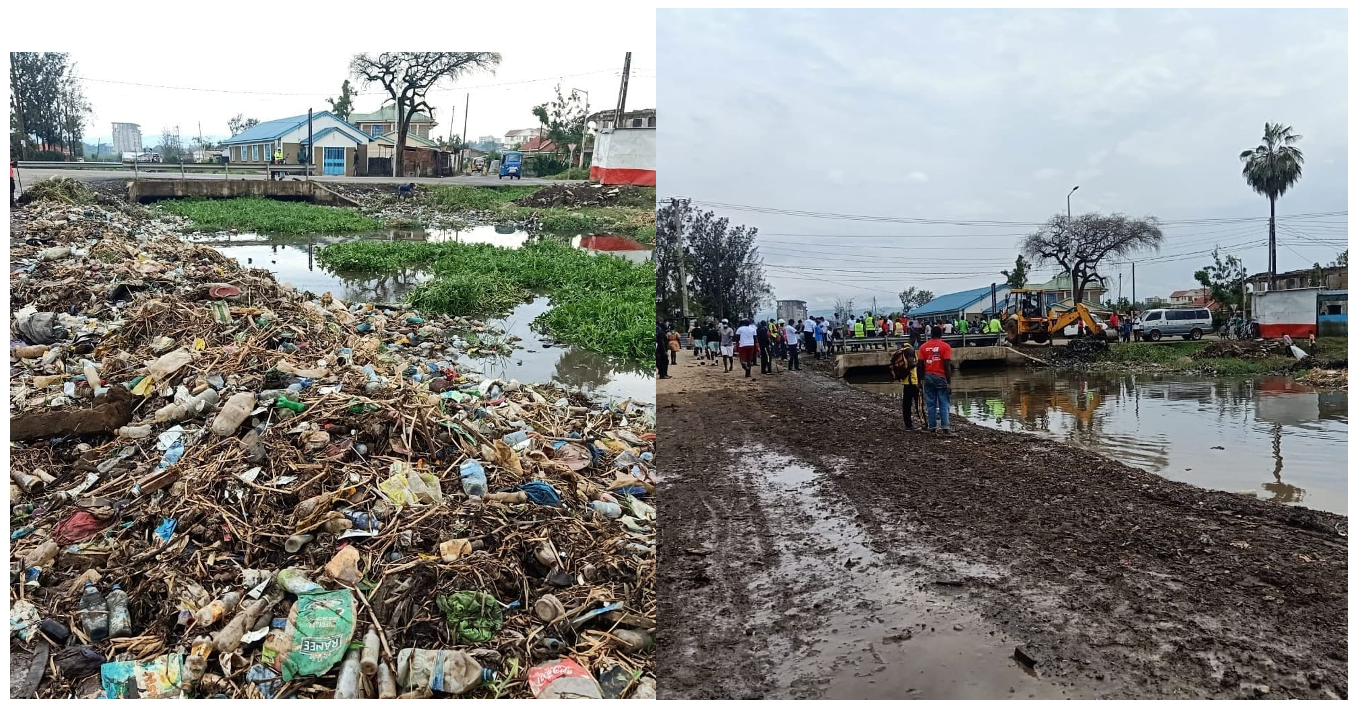
In September 2021, The Green Embassy Kenya (TGEK), in partnership with Kisumu Environmental Champions, the County Government of Kisumu, the Kenya Red Cross, UNEP Tinada, and over 20 other organizations, spearheaded a large-scale environmental cleanup along River Wigwa, a key tributary of Lake Victoria (locally known as Nam Lolwe). This initiative was a critical step in addressing plastic pollution, waste mismanagement, and environmental degradation affecting aquatic ecosystems and local communities.

Massive Waste Collection and Sorting

The cleanup resulted in the removal of over 40,000 tonnes of waste, reflecting the alarming level of pollution in the river and its surroundings. Volunteers sorted the collected waste, extracting 860 kgs of plastic for further assessment.

Key findings from the sorting process included:

  • 42 brands were identified, with Coca-Cola leading in prevalence.
  • Dasani water bottles were the most common plastic waste item.
  • Energy drink bottles, including Power Play, Predator, Azam, and Brava, were significantly present.
  • Glass bottles weighed over 200 kgs, with alcoholic beverage containers dominating.
  • Many plastics retrieved from the river were contaminated with paints, soil, water, and other substances, complicating the recycling process.

While a significant portion of plastic waste was documented, further estimation was needed for the total tonnage that went directly into disposal trucks.

Recycling and Corporate Responsibility

A majority of the collected waste was loaded onto trucks and transported back to respective companies for recycling. This move reinforced the principle of Extended Producer Responsibility (EPR)—holding corporations accountable for the waste generated by their products. By ensuring that plastic and other recyclable materials were properly managed, the initiative set a precedent for more sustainable waste disposal practices in Kisumu and beyond.

Beyond Cleanup: A Call to Action

This initiative was more than just a one-time cleanup; it was a statement on the urgent need for policy action, corporate responsibility, and public awareness to combat plastic pollution. The overwhelming presence of branded plastic waste highlighted the necessity of stronger regulations on plastic production, use, and disposal.

Moving forward, TGEK and its partners remain committed to:

  • Strengthening community-driven waste management solutions.
  • Advocating for sustainable packaging alternatives and corporate accountability.
  • Expanding efforts to restore Kisumu’s natural water bodies through reforestation, conservation, and eco-friendly waste disposal practices.

The cleanup of River Wigwa was not just about collecting waste, it was a wake-up call. As plastic pollution continues to threaten Lake Victoria’s ecosystem, collaborative action is more crucial than ever. TGEK and its partners remain steadfast in the mission to create a cleaner, healthier, and more sustainable environment for future generations.

Our Help

The Green Embassy Kenya (TGEK) is committed to empowering youths and communities through sustainable environmental initiatives. By advocating for climate-smart practices and conservation efforts, we strive to create a greener and healthier planet for future generations.

Address

Social Media

Follow us & stay updated
( Click any icon to visit )